
Blog 5: Title sequence
- luhoward
- May 2, 2023
- 3 min read
Looking at how family guy jokes with the title sequence, it's not hard to see some exaggerated components that ridicule long, misleading sequences annoy the producers.
So, why does a title sequence exist?
A title sequence is a method that production teams use to show their identities. Sometimes, a title sequence also helps to set up a mood.

Since we are talking about the title sequence, we must mention Saul Bass, a graphic designer and filmmaker. He's known for designing title sequences and film posters. During his 40-year career, Bass worked with some top Hollywood filmmakers, such as Alfred Hitchcock.
⬅️Bass became famous in the film industry after creating the title sequence for movie The Man with the Golden Arm. "He chose the arm as the central image, as it is a strong image relating to heroin addiction. The titles featured an animated, white on black paper cut-out arm of a heroin addict." (wikipedia)
Bass also produced title sequence for Psycho. It's not hard to tell the title sequence is produced by Bass due to the animated strips, which resemblances to The Man with the Golden Arm's overall style.
After seeing examples of Bass's work, let's take a look at other title sequences and sell how different presentations can make up a title sequence.
This is the title sequence for movie Se7en. Compare to Bass's style, Se7en contains much more information. The clip starts with a greenish yellow colour gradings, promoting unpleasant visual effects while different insert shots flickers. All the crops looks rather obsolescence especially the frames are composed with muted tones and low key lightings.

The character here is also razoring his finger prints off, which, links to Steve Neals and Roland Barthes, this instantly set an expectation to the audience that this is a crime film. Because the social code here is that criminals want to remove the finger prints so that the police of no evidence to prove him guilty when he have committed a crime.

Pages of writings also works as an enigma throughout the opening since we audiences do not know why his writing. The distorted writings shows that the character is in hurry, which links to the previous criminal hinting, we could probably infer that he's making note to plan a murder. The various images that quickly flickers pass reflects the unstable mental condition of the characters, this combined with the type writer and previous notes to prepares the audience for later plots.
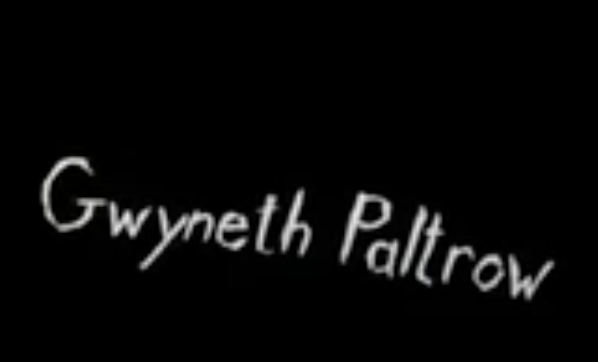
The font was quite eye catching as well. since it's hand written rather than traditional serif or sans-serif fonts used.
Compare to Psycho's sequence, which all of them are crime movies, Cooper's opening contains much more messages, allowing the murder been introduced. While Psycho's narrate is more tradition: Introduce place, time, and then characters. This is not saying that Psycho's opening is anything to do with bad. There is a advantage for Psycho's opening style: Audience focuses more on the people who produced the film while they only get to watch their names, which brings our discussions to opening credits.
Opening credits are typically reserved for TV shows, whereas a title sequence is more often found in movies.
⬅️This is the opening credit of Game of Thrones. To be honest, I can't really see much of a difference between the title sequence of a movie.
For me, a title sequence is of course important. I do see a necessity to make the title sequence good. I mean, what audiences sees first is your title sequence. You got to catch the audience's attention right away when films start other wise they'll not be that interested at the rest of the films. Title sequence also help to set the settings and the mood of the story, which also reinforced the importance of a title sequence.



Comments